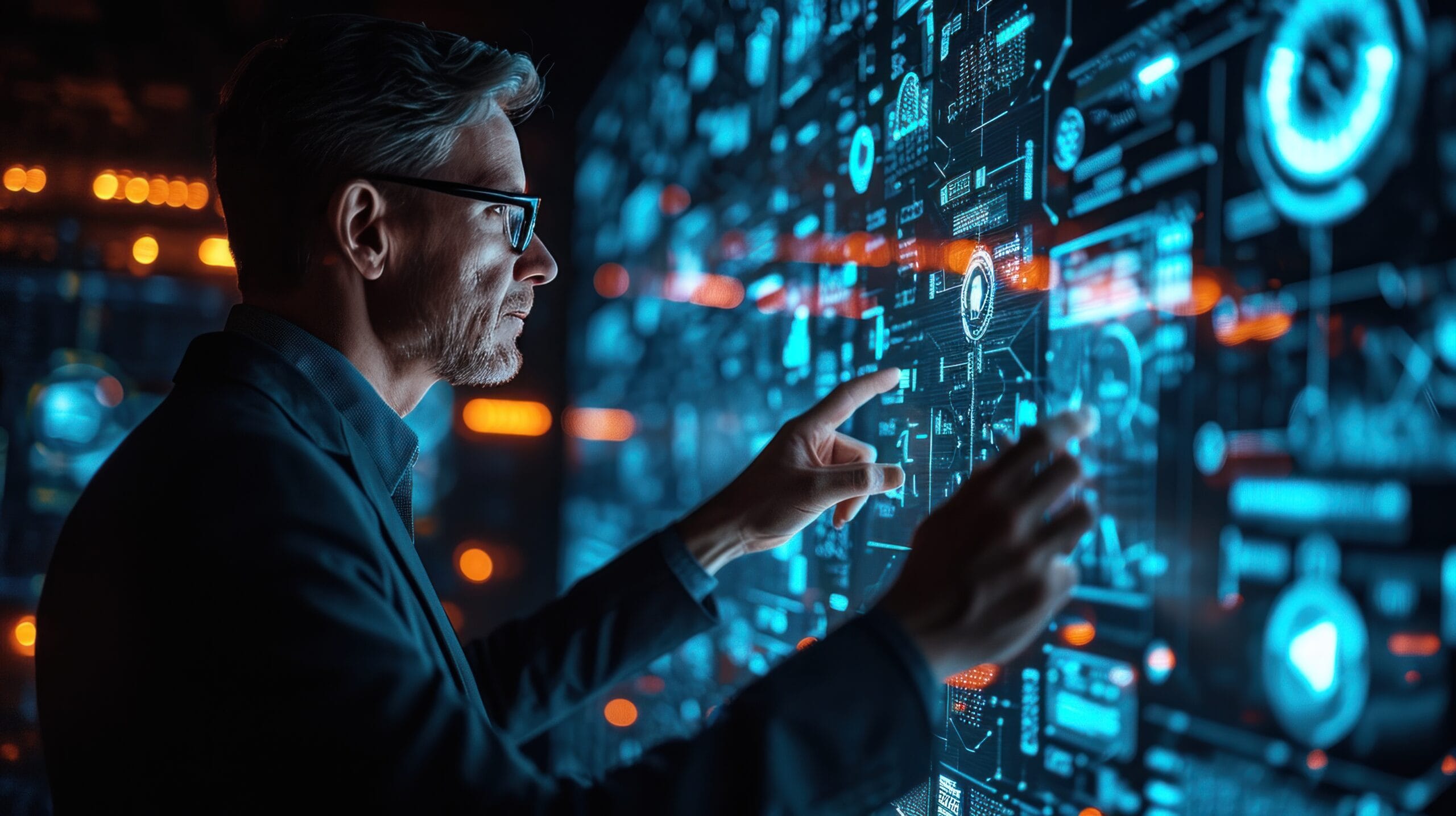
In the rapidly evolving landscape of modern design, the intersection of art and technology has become a fertile ground for innovation and creativity. As we enter 2025, designers and artists alike are leveraging cutting-edge technology to push boundaries, challenge conventions, and redefine the experience of art and design. This blog explores how the integration of art and technology is shaping modern design, the tools that facilitate this fusion, and the implications for the future.
The Fusion of Art and Technology: A Historical Perspective
The relationship between art and technology is not new. Throughout history, artistic movements have often coincided with technological advancements:
- The Renaissance: Artists like Leonardo da Vinci utilized the scientific methods of their time to enhance their work, marrying art and science.
- The Industrial Revolution: New production techniques transformed the creation of art, leading to movements like Impressionism, which emphasized capturing fleeting moments influenced by industrial changes.
- The Digital Revolution: The late 20th century saw the advent of digital art, with software allowing artists to create and manipulate images in ways previously unimaginable.
Current Trends at the Intersection of Art and Technology
As we delve into 2025, several key trends illustrate how art and technology continue to intersect and influence modern design:
1. Virtual Reality (VR) and Augmented Reality (AR)
- VR and AR technologies are revolutionizing how audiences experience art and design. Artists are creating immersive environments that transport viewers into entirely new realms.
- Example: Virtual galleries allow users to walk through exhibitions from the comfort of their homes, broadening access to art.
- Stat Insight: The AR market is projected to reach $198 billion by 2025, indicating significant growth and adoption across industries, including art.
2. Generative Art
- Generative art leverages algorithms and artificial intelligence to create unique pieces. Artists program systems that produce art autonomously, blurring the line between human creativity and machine output.
- Notable Artist: Refik Anadol uses AI to create stunning visual installations, merging data with aesthetics, resulting in artworks that change and evolve.
- Fact: Generative art sales on platforms like SuperRare have skyrocketed, with the market expanding by 300% in recent years.
3. 3D Printing and Sculptural Design
- 3D printing technology is enabling artists and designers to bring their visions to life in new ways, allowing for intricate and complex structures that traditional methods cannot achieve.
- Example: Artists are creating sustainable sculptures from biodegradable materials, merging environmental concerns with artistic expression.
- Trend: The global 3D printing market is expected to exceed $35 billion by 2025, reflecting its growing impact on design.
4. Interactive Installations
- Modern design increasingly incorporates interactivity, inviting viewers to engage with art on a deeper level. Interactive installations transform passive observers into active participants.
- Example: The “Infinity Mirror Room” by Yayoi Kusama immerses viewers in a captivating experience, challenging their perception of space and reality.
- Stat Insight: Exhibitions featuring interactive art have seen visitor engagement increase by over 60%, demonstrating the appeal of participatory experiences.
The Tools Driving Innovation in Modern Design
Several technological tools are facilitating the convergence of art and design:
- Software: Programs like Adobe Creative Suite, Blender, and Processing provide artists with powerful tools to create and manipulate digital art.
- Hardware: Advances in VR headsets, AR glasses, and 3D printers are expanding the possibilities for creators.
- AI Algorithms: Machine learning algorithms enable artists to explore new forms of creativity, producing works that challenge traditional notions of authorship.
The Implications of Art and Technology Integration
As art and technology continue to merge, several implications arise:
1. Redefining Creativity
- The role of the artist is evolving. No longer just creators, artists become curators and programmers, navigating complex systems to produce innovative works.
- Trend: The notion of authorship is being challenged, raising questions about the nature of creativity in a world where machines contribute to the artistic process.
2. Accessibility and Inclusivity
- Technology democratizes art access, allowing more people to experience and engage with creative works.
- Impact: Virtual galleries and online platforms enable artists from diverse backgrounds to showcase their work to a global audience, fostering inclusivity in the art world.
3. Sustainability in Design
- The integration of technology allows for more sustainable practices in art and design. Artists are exploring eco-friendly materials and processes, addressing environmental concerns through their work.
- Stat Insight: A survey conducted by the American Institute of Graphic Arts (AIGA) found that 70% of designers prioritize sustainability in their projects, showcasing a growing commitment to environmental responsibility.
The Future: What Lies Ahead?
As we look to the future, the intersection of art and technology will continue to evolve:
- Increased Collaboration: Expect more collaborations between artists, technologists, and scientists, leading to groundbreaking projects that challenge the status quo.
- AI as Co-Creator: AI will play a more prominent role in the creative process, serving as both a tool and a collaborator for artists.
- Cultural Shifts: Art will increasingly reflect societal changes, using technology to comment on contemporary issues and engage audiences in meaningful ways.
Conclusion: Embracing the Future of Design
The intersection of art and technology represents an exciting frontier in modern design, where creativity knows no bounds. As we navigate through 2025, embracing innovation while honoring the rich history of artistic expression will be crucial. By harnessing the power of technology, artists and designers can create immersive, meaningful experiences that resonate with audiences on a profound level.
In this dynamic landscape, the possibilities are endless. As we move forward, let us celebrate the fusion of art and technology, fostering a future that inspires creativity, inclusivity, and sustainability in design.
In this brave new world, let art and technology together inspire a future that transcends boundaries and ignites the imagination.