In the intricate world of marketing and design, color serves as an unspoken language, influencing perceptions, emotions, and actions. As we advance into 2025, understanding the psychology behind color choices is crucial for brands aiming to forge meaningful connections with their audiences. This blog delves deep into how color impacts consumer behavior, the meanings associated with various colors, and how businesses can strategically leverage this knowledge to create compelling marketing campaigns and stunning designs.
Understanding Color Psychology: A Powerful Tool
Color psychology is the study of how colors affect human behavior and emotions. Research shows that our brains react to colors in ways that can influence our thoughts, feelings, and even purchasing decisions. According to the Institute for Color Research, a staggering 90% of snap judgments made about products are based on color alone. This reveals the immense power that color wields in the realm of marketing.
Stat Insight: A study by KISSmetrics found that color increases brand recognition by 80%, underscoring its pivotal role in establishing brand identity and recall.
Color Associations and Their Impact
Different colors evoke specific emotions and associations, and understanding these can significantly impact marketing strategies. Below is a breakdown of common colors, their meanings, and practical applications in branding:
1. Red
- Emotions: Passion, urgency, excitement.
- Usage: Red is often utilized in clearance sales to create a sense of urgency, as seen in brands like Target and Coca-Cola.
- Stat Insight: Research indicates that red can increase heart rates, making it effective in stimulating appetite, which is why it is frequently used in food marketing.
2. Blue
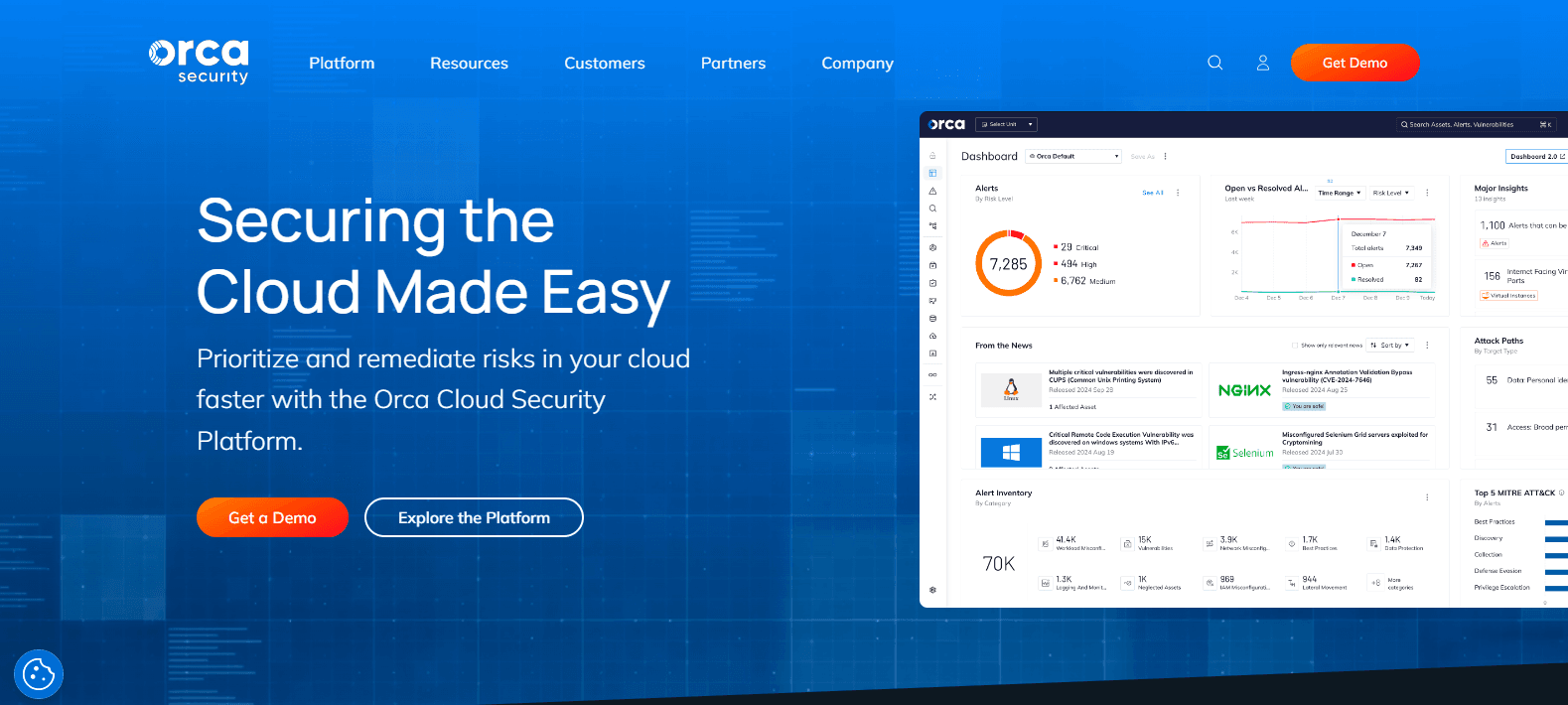
- Emotions: Trust, calmness, professionalism.
- Usage: Commonly used by banks and tech companies like IBM and Facebook to convey reliability and security.
- Fact: Blue is one of the most universally liked colors, appealing to a broad demographic, making it a safe choice for brand identity.
3. Yellow
- Emotions: Happiness, optimism, warmth.
- Usage: Brands like McDonald’s and Ikea use yellow to attract attention and evoke feelings of cheerfulness.
- Stat Insight: Yellow is associated with creativity and can stimulate mental processes, which is why it often appears in creative industries.
4. Green
- Emotions: Growth, health, tranquility.
- Usage: Commonly found in brands related to nature and health, such as Starbucks and Whole Foods.
- Fact: Green is increasingly linked to sustainability, resonating with eco-conscious consumers.
5. Black
- Emotions: Sophistication, power, elegance.
- Usage: High-end brands like Chanel and Rolex utilize black to convey luxury and exclusivity.
- Stat Insight: Black is often associated with minimalist design, enhancing visual appeal and focus on products.
6. Purple
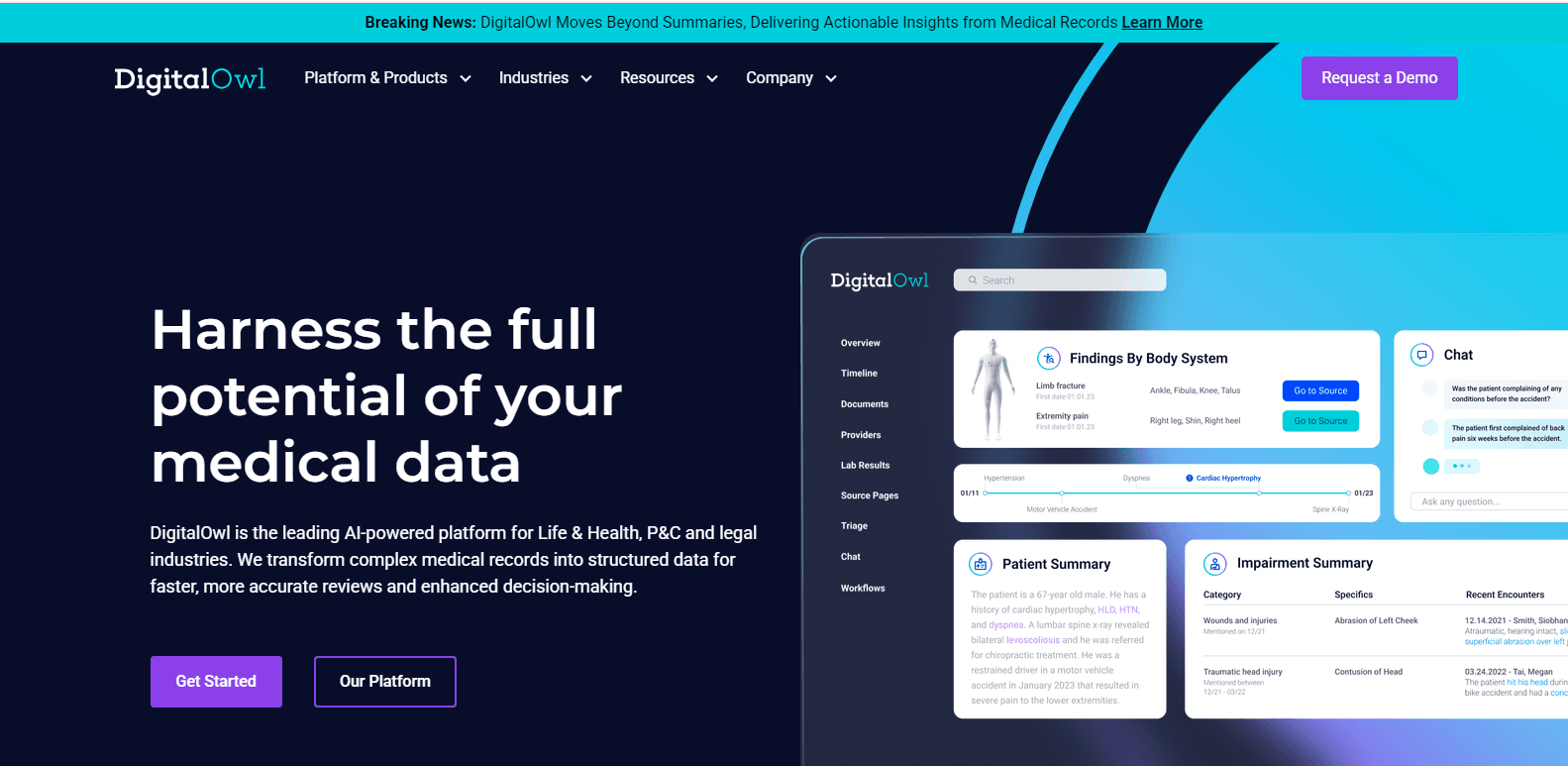
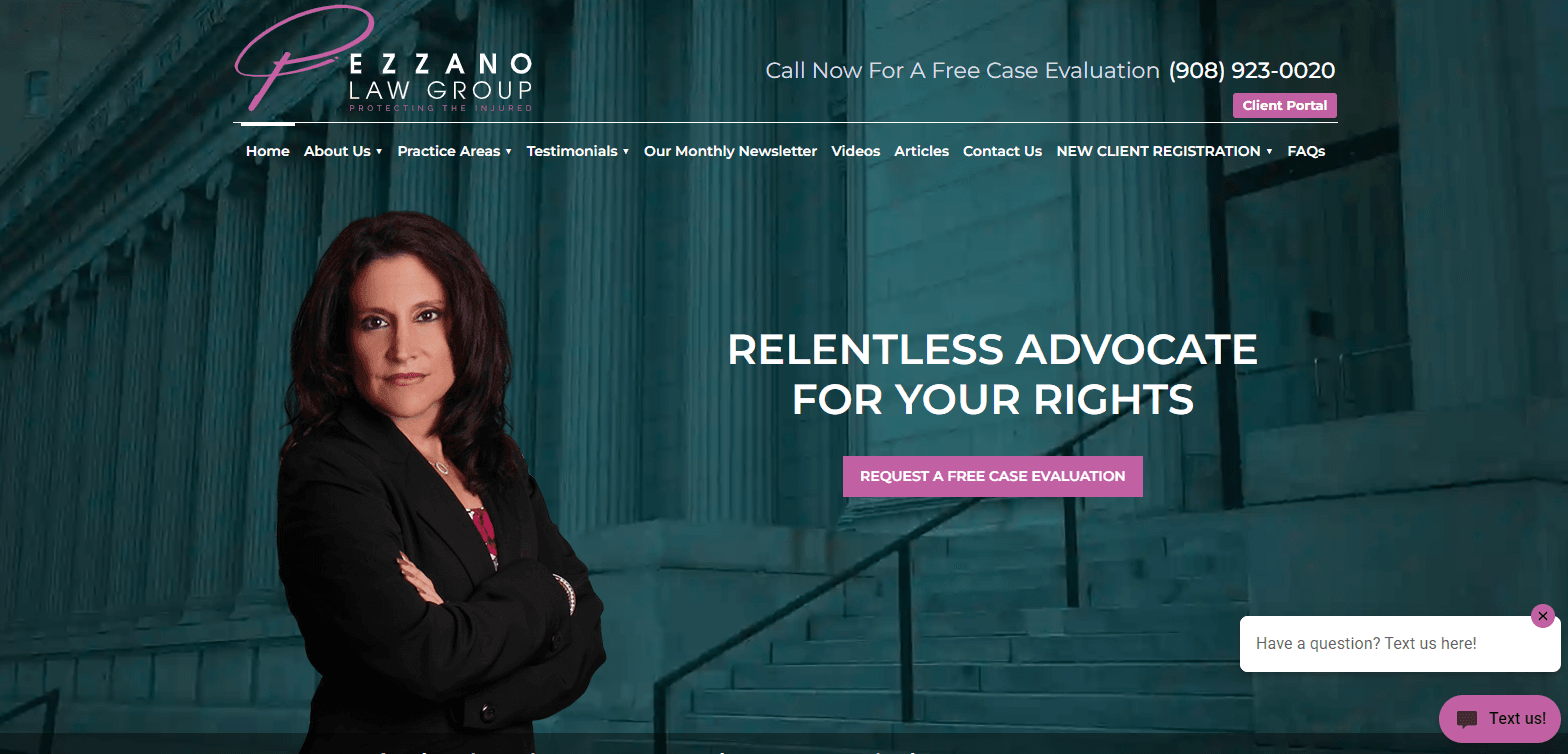
- Emotions: Creativity, luxury, wisdom.
- Usage: Often used in beauty and anti-aging products, as seen with brands like Hallmark and Twitch.
- Fact: Purple combines the stability of blue and the energy of red, making it ideal for brands that want to evoke a sense of balance and creativity.
Implementing Color Psychology in Marketing Strategies
To effectively utilize color psychology in your marketing efforts, consider these actionable strategies:
1. Align Color Choices with Brand Identity
Ensure that your color palette aligns with your brand’s values and personality. For example, a tech company may gravitate towards cooler blues to convey innovation, while a children’s toy brand might opt for bright, playful colors.
2. Evoke Desired Emotions
Use colors strategically to evoke specific emotions that align with your marketing goals. For instance, if your brand aims to promote calmness and relaxation, consider incorporating softer blues and greens into your branding.
3. Understand Cultural Contexts
Be aware that color meanings can vary across cultures. For example, while white symbolizes purity in Western cultures, it represents mourning in some Eastern cultures. Understanding your target audience’s cultural context is vital for effective communication.
4. Conduct A/B Testing
Experiment with different color schemes to determine which resonates best with your audience. A/B testing can provide insights into metrics such as click-through rates and conversion rates, allowing you to refine your approach.
5. Utilize Color to Drive Action
Incorporate contrasting colors for call-to-action buttons to draw attention and encourage user interaction. Studies show that colored buttons can increase conversion rates by 200% to 300%.
Real-World Applications of Color Psychology
1. Case Study: Airbnb
Airbnb employs a warm, inviting color palette, featuring soft pinks and greens that evoke feelings of comfort and trust. This strategic choice aligns with their brand promise of providing unique and personalized travel experiences.
2. Case Study: Target
Target’s iconic red branding creates a sense of urgency and excitement, drawing consumers’ attention and reinforcing the brand’s playful personality, resulting in increased foot traffic and sales.
3. Case Study: FedEx
FedEx uses a distinct purple and orange color scheme that conveys professionalism and reliability. The color combination has become synonymous with the brand, making it easily recognizable and trusted by consumers.
Future Trends in Color and Design
As we look to the future, several trends will shape the role of color in marketing and design:
1. Sustainability and Natural Tones
Expect to see a rise in earthy tones and natural palettes as consumers increasingly gravitate toward brands promoting sustainability. Colors like muted greens, browns, and soft blues will reflect eco-friendly values.
2. Personalization Through Technology
With advancements in AI and data analytics, brands will tailor color schemes to individual preferences, creating personalized experiences that resonate more deeply with consumers.
3. Dynamic Color Usage
The integration of technology will enable brands to dynamically adjust colors in real-time based on user interactions or environmental factors, enhancing engagement and relevance.
Conclusion: The Power of Color in Marketing and Design
Understanding the psychology of color is essential for marketers and designers looking to connect with their audience on a deeper level. By leveraging the emotional responses elicited by different colors, brands can create compelling narratives that drive consumer behavior effectively.
As we navigate the complexities of marketing in 2025, remember that color is not merely a design element; it is a powerful tool capable of shaping perceptions, evoking emotions, and influencing decisions. Harness the power of color psychology to craft unforgettable marketing campaigns that resonate with your audience and leave a lasting impression.
In the vibrant world of marketing, color is your ally—a language that speaks volumes without saying a word. Embrace its power, and watch your brand flourish.