[Opening Scene] (Soft, calming music plays as visuals of people sleeping peacefully in cozy beds transition to animated brain diagrams.)
Narrator: “Close your eyes and imagine the perfect night of sleep. It’s not just about sweet dreams; sleep is a critical piece of the puzzle that keeps us alive, healthy, and thriving. Today, we’ll unravel the science behind sleep and why it’s more important than you think.”
[Segment 1: What Happens When We Sleep?]
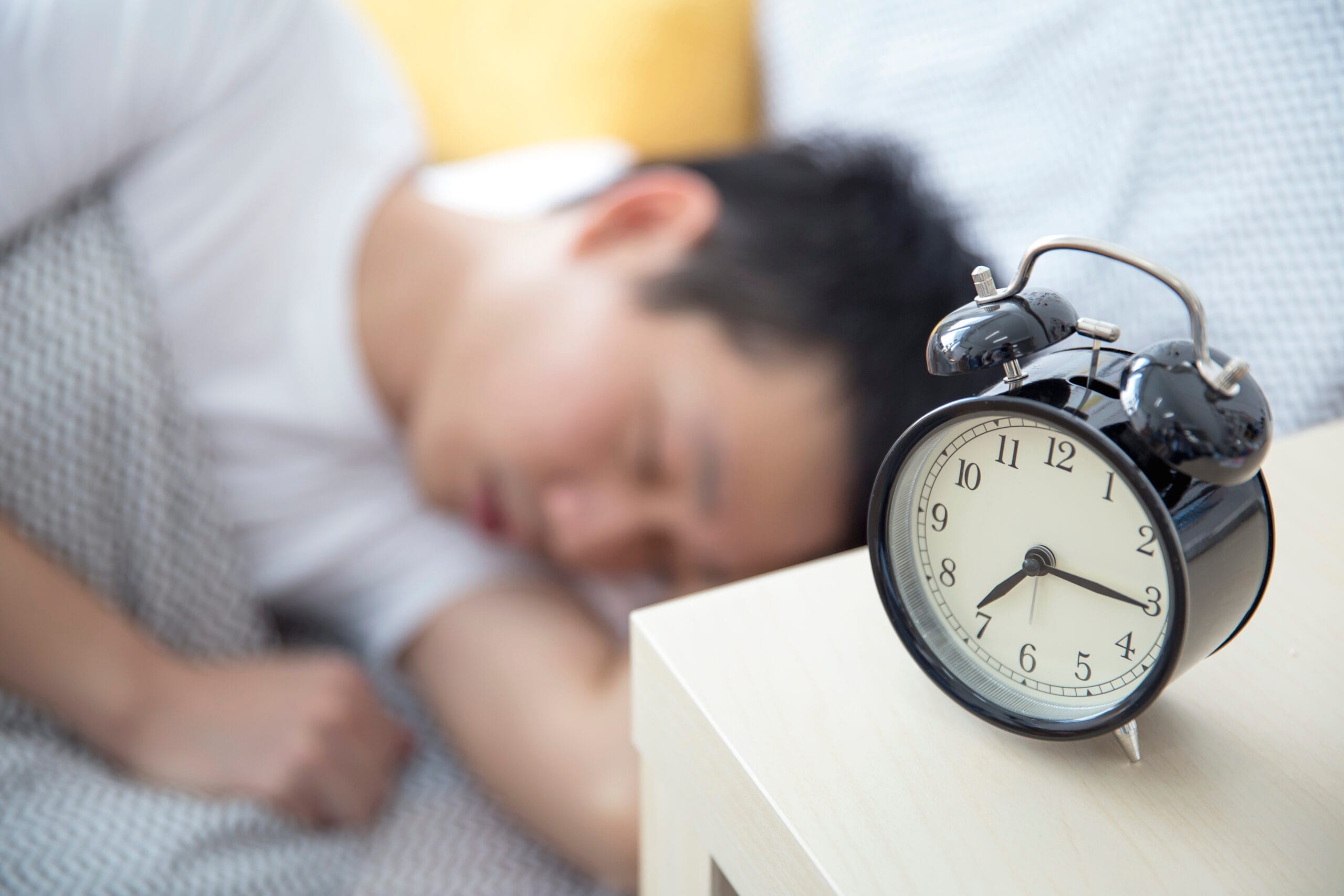
(Visual of a clock ticking, transitioning to a sleeping person.)
Narrator: “Sleep isn’t just a time when your body shuts down. It’s an active and dynamic process. Each night, your brain goes through multiple sleep cycles, each consisting of four stages: three non-REM stages and one REM stage.”
Detail: “Non-REM sleep helps repair your body. Think of it as a nightly tune-up for your immune system, muscles, and cells. REM sleep, on the other hand, is when your brain processes memories and emotions, enhancing creativity and problem-solving skills.”
Stat: “On average, adults need 7-9 hours of sleep per night to complete 4-6 cycles. Missing out on even one cycle can disrupt this delicate process.”
[Segment 2: Why Sleep Matters]
(Show split-screen visuals of a well-rested person vs. someone yawning at their desk.)
Narrator: “So, why does sleep matter so much? For starters, it’s essential for brain function. A good night’s sleep improves memory, focus, and decision-making. Without it, your cognitive abilities plummet.”
Health Impacts:
- “Chronic sleep deprivation increases the risk of heart disease, stroke, and diabetes.”
- “It can also lead to weight gain. Sleep influences the hormones that regulate hunger, making you more likely to overeat when you’re tired.”
Fun Fact: “Sleep-deprived brains have been compared to being legally drunk—your reaction times and judgment are that impaired.”
[Segment 3: The Role of Circadian Rhythms]
(Visual of the sun rising and setting, with an animated clock superimposed.)
Narrator: “Ever heard of your circadian rhythm? It’s your internal body clock, synced with the 24-hour day-night cycle. This rhythm regulates your sleep-wake cycle, body temperature, and even hormone release.”
Detail: “When your circadian rhythm is disrupted—say, by jet lag or late-night Netflix binges—your sleep suffers, and so does your health.”
Stat: “Studies show that shift workers, who often battle circadian misalignment, are at higher risk for chronic illnesses.”
[Segment 4: The Science of Dreams]
(Transition to whimsical visuals of dream sequences.)
Narrator: “Dreams are one of the most fascinating aspects of sleep. Did you know we spend about six years of our lives dreaming? Most of these dreams occur during REM sleep.”
Fun Fact: “While the exact purpose of dreams is still debated, scientists believe they play a role in processing emotions, solving problems, and even rehearsing for real-life challenges.”
Quote: “As Freud famously said, ‘Dreams are the royal road to the unconscious.'”
[Segment 5: Tips for Better Sleep]
(Show visuals of calming bedtime routines, dim lighting, and a clutter-free bedroom.)
Narrator: “Now that we know why sleep is so crucial, let’s talk about how to improve it. Here are some science-backed tips for better sleep:”
- “Stick to a consistent sleep schedule, even on weekends.”
- “Create a bedtime ritual: dim the lights, read a book, or meditate.”
- “Keep your bedroom cool, dark, and quiet.”
- “Avoid caffeine and heavy meals close to bedtime.”
- “Limit screen time before bed. Blue light from devices can trick your brain into staying awake.”
Stat: “Experts recommend adults aim for at least 30 minutes of wind-down time before bed.”
[Segment 6: The Cost of Sleep Deprivation]
(Show visuals of busy workers and exhausted students.)
Narrator: “Sleep deprivation doesn’t just affect individuals—it has societal consequences too.”
Detail: “In the U.S., sleep deprivation is estimated to cost the economy over $400 billion annually due to lost productivity and health care costs.”
Stat: “Studies show that drowsy driving causes more than 100,000 crashes each year.”
Narrator: “Sleep isn’t a luxury; it’s a necessity.”
[Segment 7: Fun Sleep Facts]
(Play upbeat music as quirky facts appear on screen.)
- “Dolphins sleep with one eye open to stay alert for predators.”
- “The record for the longest time without sleep is 11 days, set by Randy Gardner in 1964.”
- “Cats sleep for about 70% of their lives—talk about nap goals!”
Narrator: “Sleep is as fascinating as it is essential. From dreams to circadian rhythms, it’s a topic that keeps scientists, and us, awake at night.”
[Closing Scene] (Show a peaceful night sky with a glowing moon.)
Narrator: “So tonight, when you lay your head on the pillow, remember: Sleep isn’t just rest; it’s your body’s superpower. Sweet dreams, and don’t forget to hit that subscribe button for more amazing insights!”