Chapter 1: The Power of Digital Marketing for Small Businesses
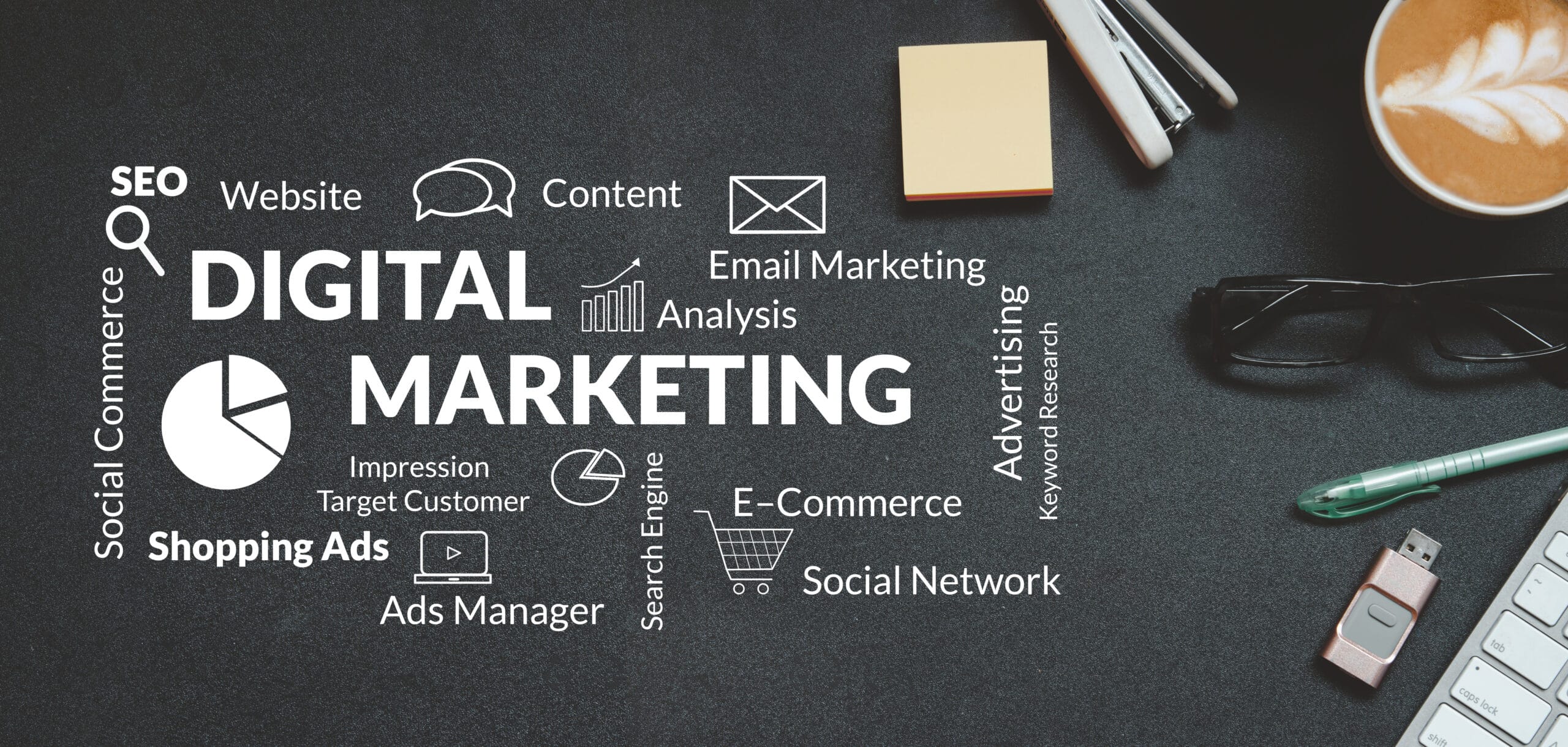
Digital marketing is no longer optional for small businesses—it’s essential for growth and success in the modern business landscape. This chapter introduces the concept of digital marketing and why it’s so important for small businesses. It will also explore the benefits of having a strong online presence.
Why Digital Marketing?
- Cost-Effective: Compared to traditional advertising methods, digital marketing is more affordable, allowing small businesses to compete with larger companies.
- Targeted Reach: Digital marketing lets you target specific audiences based on interests, demographics, location, and more.
- Measurable Results: You can track the effectiveness of digital campaigns in real-time, optimizing for better performance.
This chapter sets the tone for the ebook, showing small business owners how they can leverage digital marketing to their advantage.
Chapter 2: Building a Solid Foundation – Creating Your Online Presence
Before diving into digital marketing tactics, it’s crucial to have a strong online foundation. This chapter will focus on building a professional website and creating social media profiles that reflect your brand identity.
Creating Your Website:
- User Experience: Your website should be easy to navigate, mobile-friendly, and fast-loading. The user experience is crucial for converting visitors into customers.
- SEO Optimization: Make sure your website is optimized for search engines so potential customers can find you when they search for your products or services.
Social Media Profiles:
- Choose the Right Platforms: Focus on platforms that are most relevant to your audience. For example, Instagram is great for visual products, while LinkedIn is ideal for B2B services.
- Consistent Branding: Ensure your brand’s voice and image are consistent across all platforms. This builds trust and recognition with your audience.
Establishing a strong online presence will make your digital marketing efforts much more effective.
Chapter 3: Mastering Social Media Marketing
Social media is one of the most powerful tools for small businesses. In this chapter, we’ll dive into the most popular social media platforms and how small businesses can use them effectively to connect with their audience.
Facebook:
- Targeted Advertising: Facebook allows you to target your ads based on age, interests, location, and more.
- Community Building: Create a Facebook Group or engage with followers through posts, comments, and live videos to foster a sense of community.
Instagram:
- Visual Storytelling: Instagram is a visually-driven platform perfect for showcasing your products or services.
- Hashtags and Engagement: Use relevant hashtags to increase discoverability and engage with followers through likes, comments, and stories.
LinkedIn:
- Professional Networking: LinkedIn is ideal for B2B marketing and establishing thought leadership in your industry.
- Content Sharing: Share relevant articles, case studies, and industry insights to establish your expertise.
Each social media platform has its strengths, and in this chapter, we explore how to make the most out of each one.
Chapter 4: SEO and Content Marketing – Driving Traffic to Your Website
Search engine optimization (SEO) and content marketing are key components of driving organic traffic to your website. This chapter explains the basics of SEO and how to create content that ranks well on Google.
SEO Essentials:
- Keyword Research: Identify the keywords your target audience is searching for, and integrate them into your website content, blog posts, and product descriptions.
- On-Page SEO: Optimize individual pages by using descriptive meta tags, headers, and alt text for images.
- Link Building: Establish backlinks from reputable sites to improve your website’s authority and search engine ranking.
Content Marketing:
- Blogging: Regularly publish blog posts that address common questions or challenges faced by your audience. This builds trust and helps with SEO.
- Video Content: Video is one of the most engaging types of content. Use it to explain your products, share customer testimonials, or give a behind-the-scenes look at your business.
- Email Newsletters: Build an email list and send regular newsletters with helpful tips, special offers, and updates about your business.
By optimizing your website for search engines and creating valuable content, you’ll attract more visitors and convert them into customers.
Chapter 5: Email Marketing – Building Relationships and Boosting Sales
Email marketing is one of the most powerful tools for small businesses to engage with customers and drive sales. This chapter covers how to build an email list and create effective email campaigns.
Building Your Email List:
- Offer Incentives: Use lead magnets like free guides, discounts, or exclusive content to encourage website visitors to subscribe to your email list.
- Segment Your List: Not all subscribers are the same. Segment your list based on factors like demographics, purchase history, or engagement level, and send personalized emails.
Crafting Effective Emails:
- Compelling Subject Lines: The subject line is the first thing recipients see, so make it attention-grabbing.
- Clear Calls to Action: Each email should have a clear goal—whether it’s encouraging a purchase, asking for feedback, or sharing a blog post.
By regularly sending valuable and engaging emails, you’ll foster a loyal customer base and boost sales.
Chapter 6: Paid Advertising – Growing Your Reach
Paid advertising can complement your organic efforts and quickly expand your reach. This chapter covers the basics of paid ads, including Google Ads and social media ads.
Google Ads:
- Keyword Targeting: Google Ads lets you target customers who are actively searching for products or services similar to yours.
- Pay-Per-Click: With Google Ads, you pay only when someone clicks on your ad. It’s a cost-effective way to drive targeted traffic.
Social Media Ads:
- Facebook and Instagram Ads: Both platforms offer highly customizable ad campaigns, allowing you to target specific audiences based on interests, location, age, and more.
- A/B Testing: Run different versions of your ads to see which performs best. This helps you optimize your campaigns for maximum ROI.
Paid ads can help you reach a larger audience, but it’s important to monitor your spending and ensure your ads are delivering a positive return on investment.
Chapter 7: Analyzing and Optimizing Your Digital Marketing Strategy
In this chapter, we’ll explore how to measure the success of your digital marketing campaigns and optimize them for better results. Analytics tools like Google Analytics, social media insights, and email tracking software will help you track your performance.
Key Metrics to Track:
- Website Traffic: Monitor the number of visitors to your website and the pages they visit.
- Conversion Rate: Track how many visitors complete the desired action, whether it’s making a purchase or signing up for your email list.
- Engagement: Measure likes, comments, shares, and other forms of engagement on social media.
By analyzing your data, you can identify what’s working and adjust your strategy accordingly to ensure continued success.
Chapter 8: Building Long-Term Success – Scaling Your Digital Marketing Efforts
Once you’ve established a solid digital marketing strategy, the next step is scaling it. This chapter covers how to expand your efforts to reach even more customers and increase sales.
Expanding Your Reach:
- Influencer Marketing: Partner with influencers in your industry to expand your reach and build credibility.
- Referral Programs: Encourage your current customers to refer friends and family by offering incentives like discounts or freebies.
- Affiliate Marketing: Work with affiliates who will promote your products in exchange for a commission on sales.
As your business grows, it’s important to continuously evaluate your marketing strategy and find new ways to reach your target audience.
Conclusion: The Road Ahead – Growing Your Business Through Digital Marketing
Digital marketing is a powerful tool that can help small businesses achieve their growth goals. By focusing on the strategies outlined in this guide—building a solid online presence, mastering social media, creating valuable content, and utilizing paid ads—you can increase your visibility and grow your business.
Remember, digital marketing is an ongoing process. Stay informed, adapt to new trends, and continue testing and optimizing your efforts to see the best results.